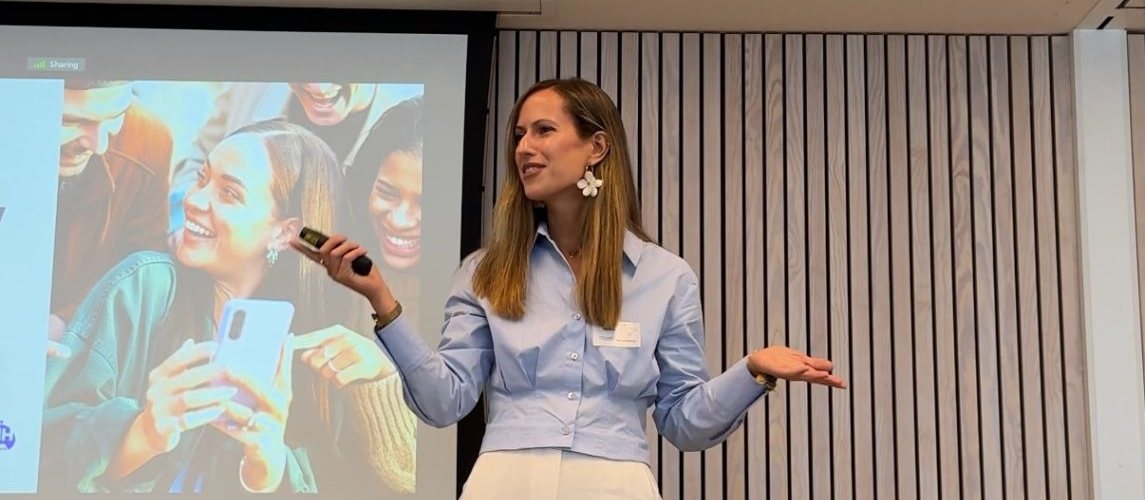
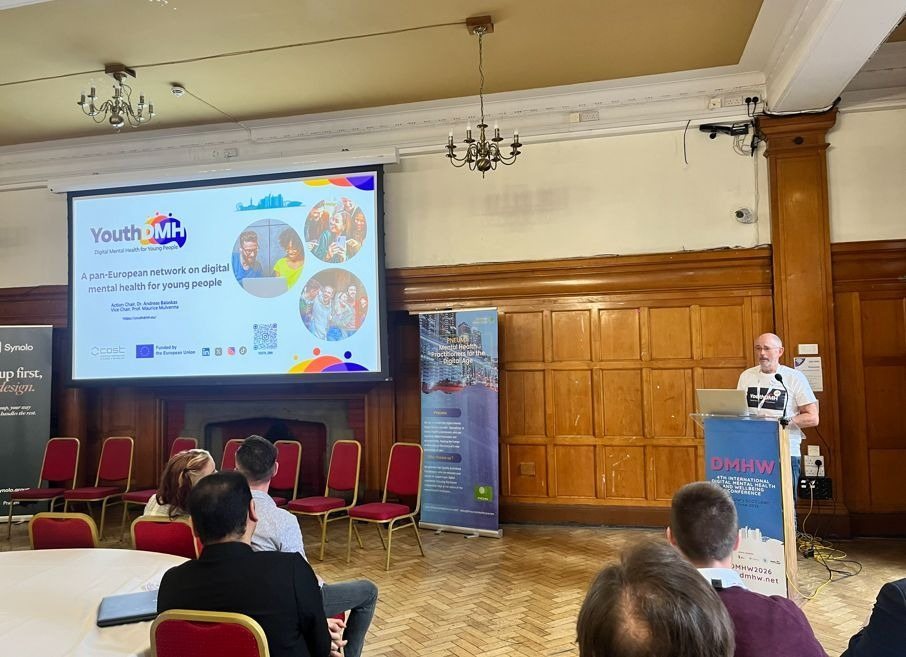
Members of Working Group 5 (WG5) of the YouthDMH COST Action have been strengthening collaboration and advancing work on two key areas: the development of training materials and the extraction of policy recommendations based on the work of the Action’s Working Groups.
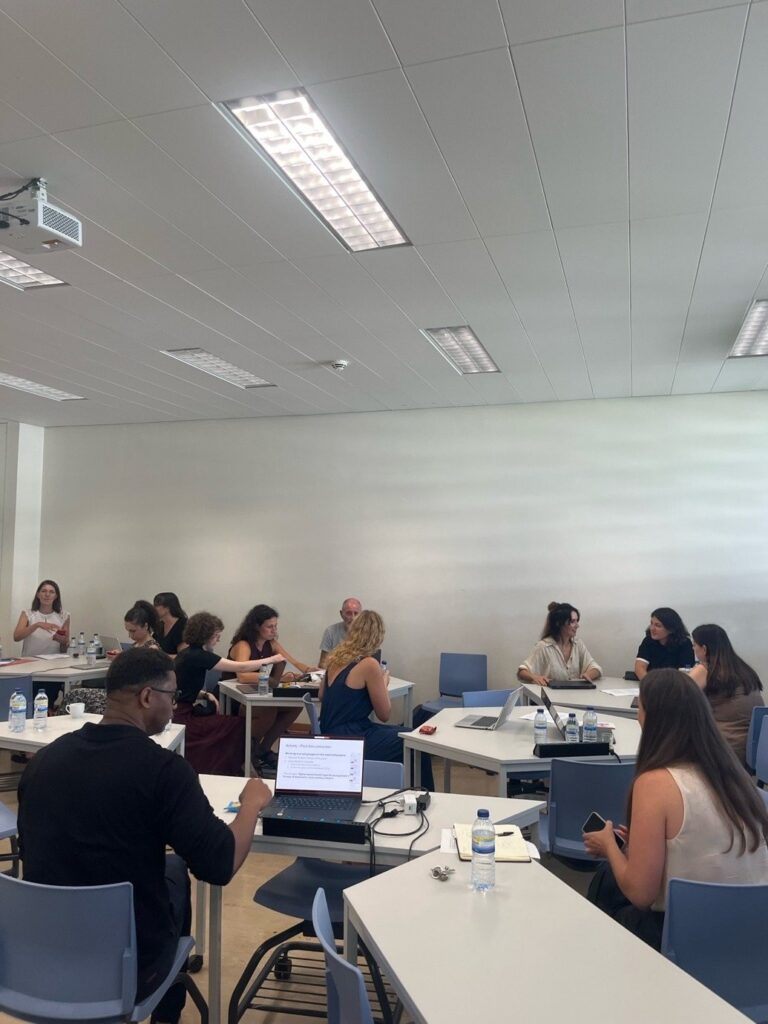
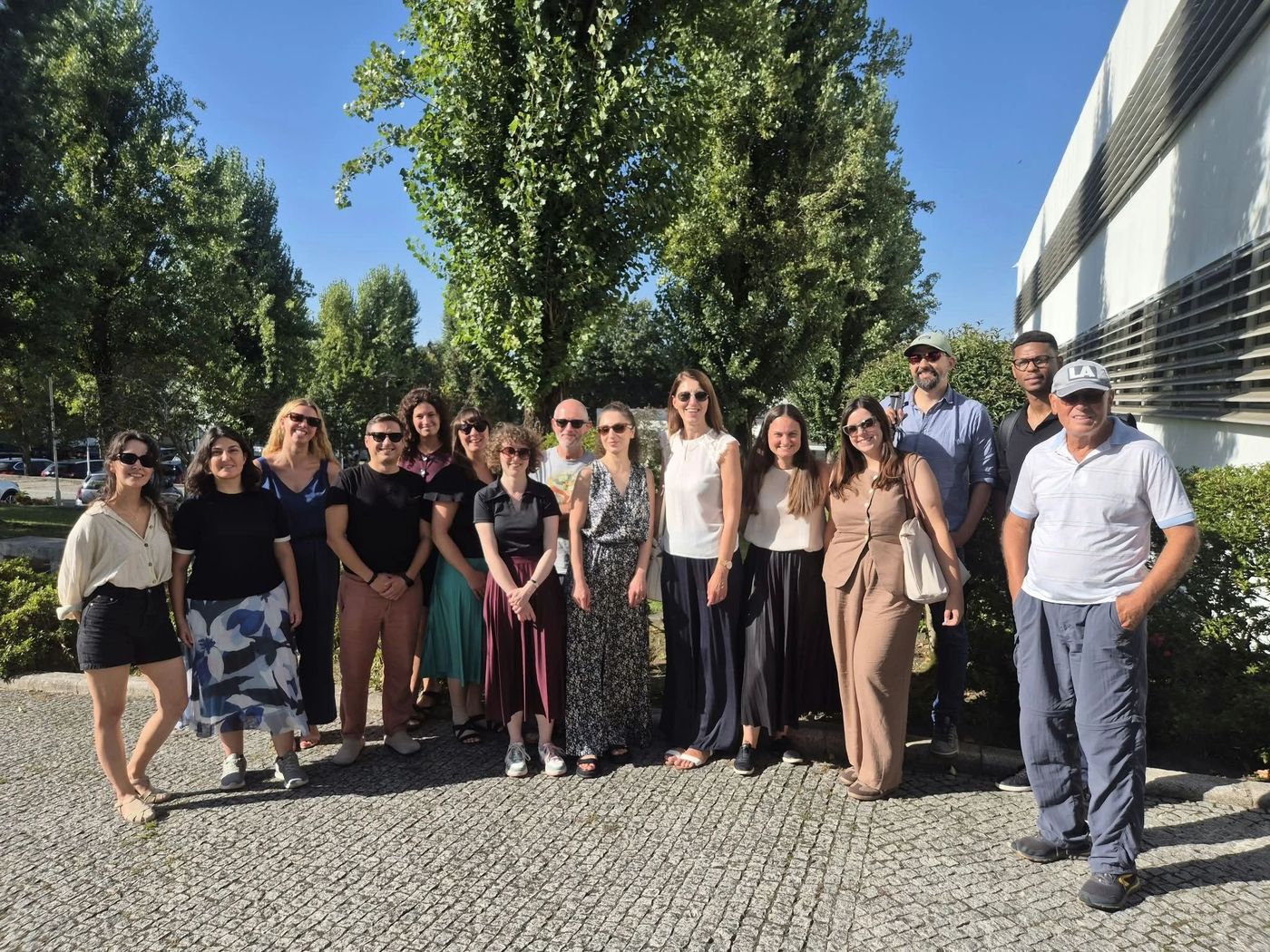
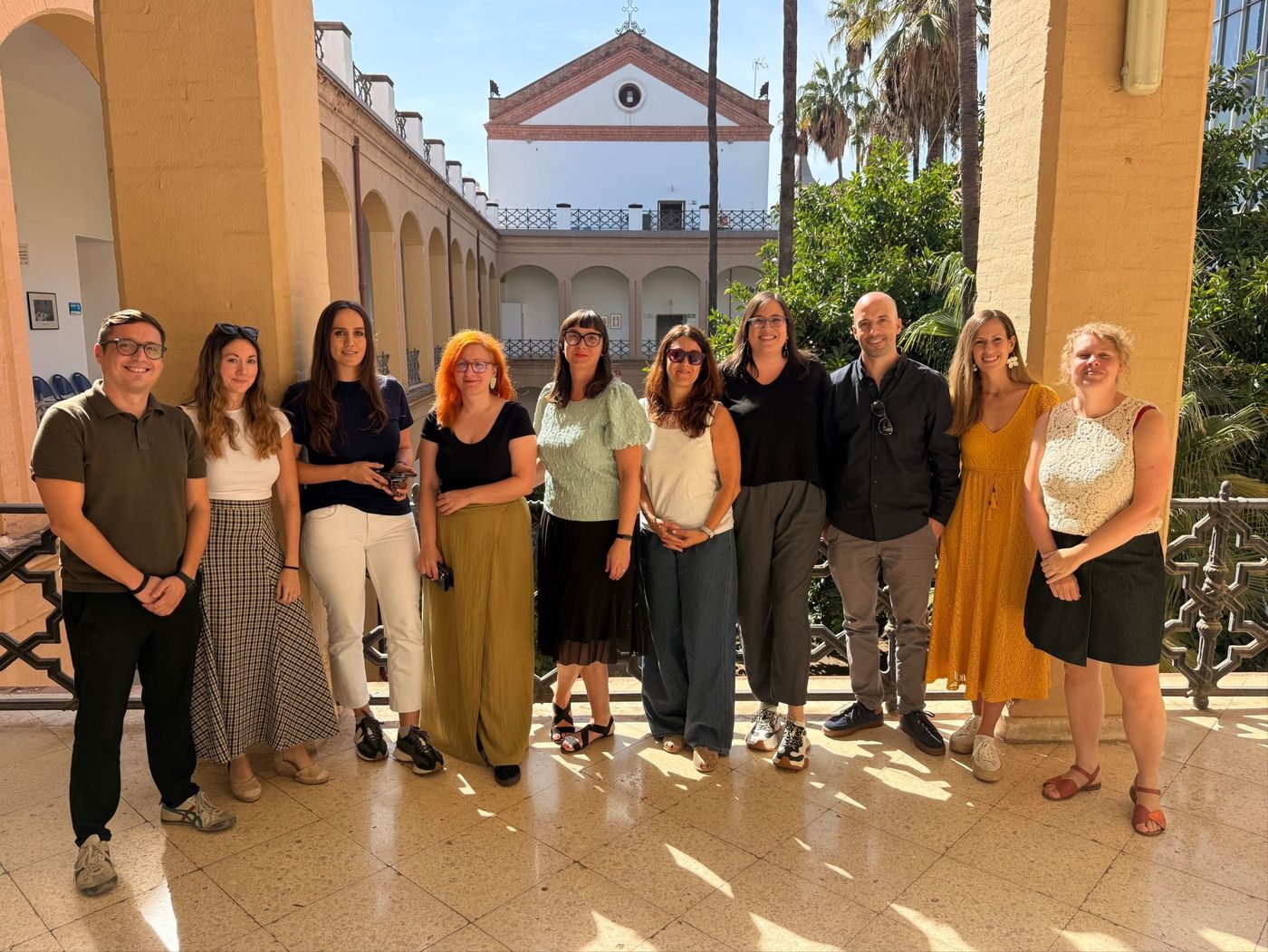
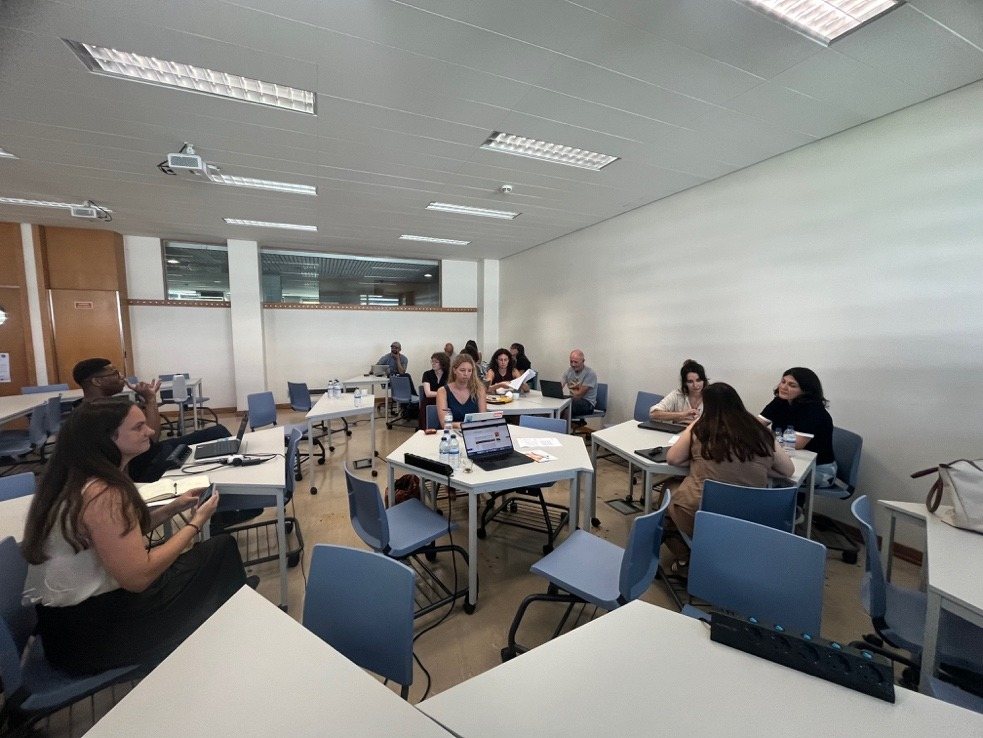
On 3 September 2026, WG5 members came together for their first in-person meeting at the University of Maia in Porto. The meeting provided an opportunity to discuss ongoing activities, review progress and coordinate the next steps in the group’s work.
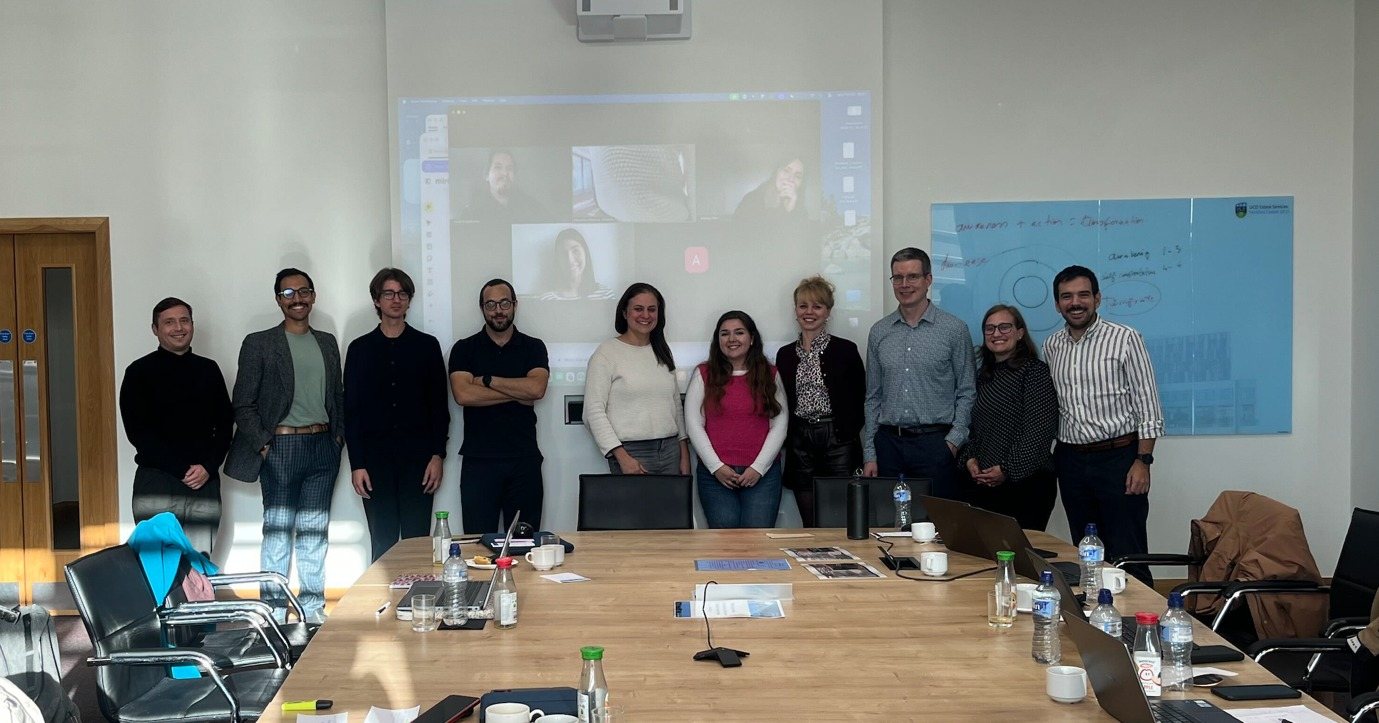
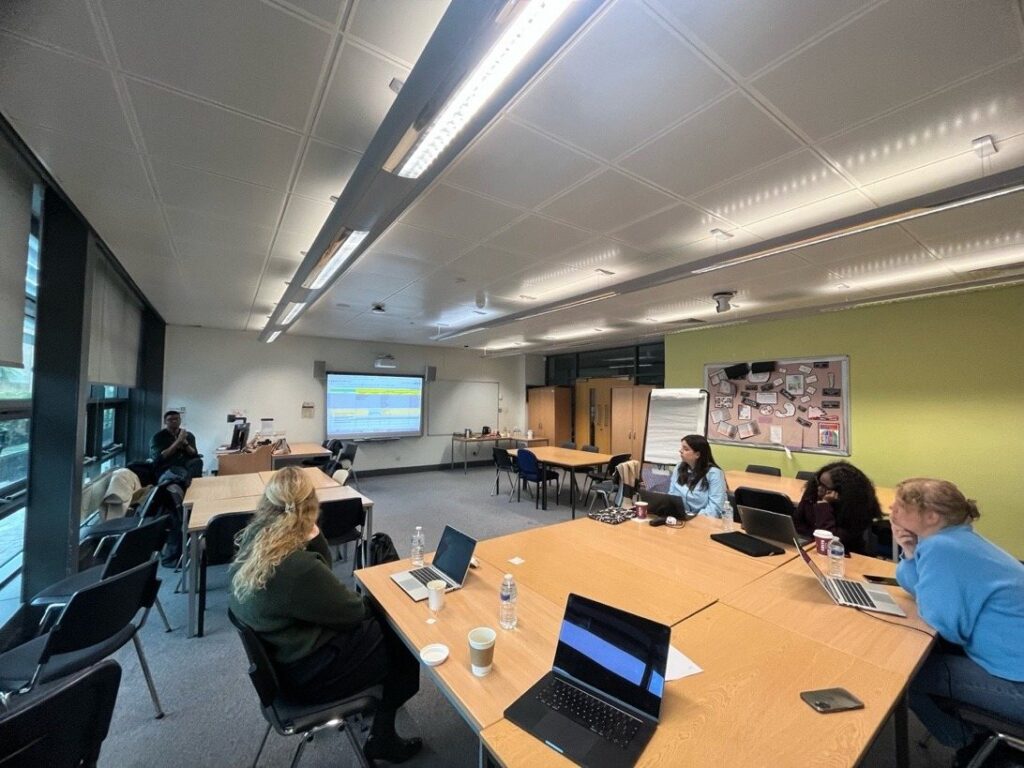
A second meeting took place on 26 October 2026 at Edge Hill University, providing a further opportunity to advance the group’s work and strengthen collaboration around its objectives.
Developing training materials and policy recommendations
Discussions during the meetings focused on two main areas of WG5’s work: developing training materials and extracting policy recommendations based on the contributions and outputs of the different Working Groups within the YouthDMH COST Action.
During the meetings, members agreed to develop training materials over the coming months, supported by a concrete plan to guide their development.
Work on extracting policy recommendations was also initiated and piloted during the September meeting. This work continued during the October meeting at Edge Hill University, where almost all recommendations had been extracted by this stage.
These activities represent an important step towards translating the Action’s research findings and collective expertise into practical resources and recommendations that can inform policy and practice.
Working together towards impact
By bringing together expertise from across the network, WG5 plays an important role in connecting the Action’s scientific work with training, policy and practice.
The continued engagement and collaboration of Working Group members will be essential to developing meaningful outputs that support the wider YouthDMH mission of advancing digital mental health and wellbeing for young people.
YouthDMH looks forward to building on this progress and further developing its training resources and policy recommendations through the collective efforts of WG5.