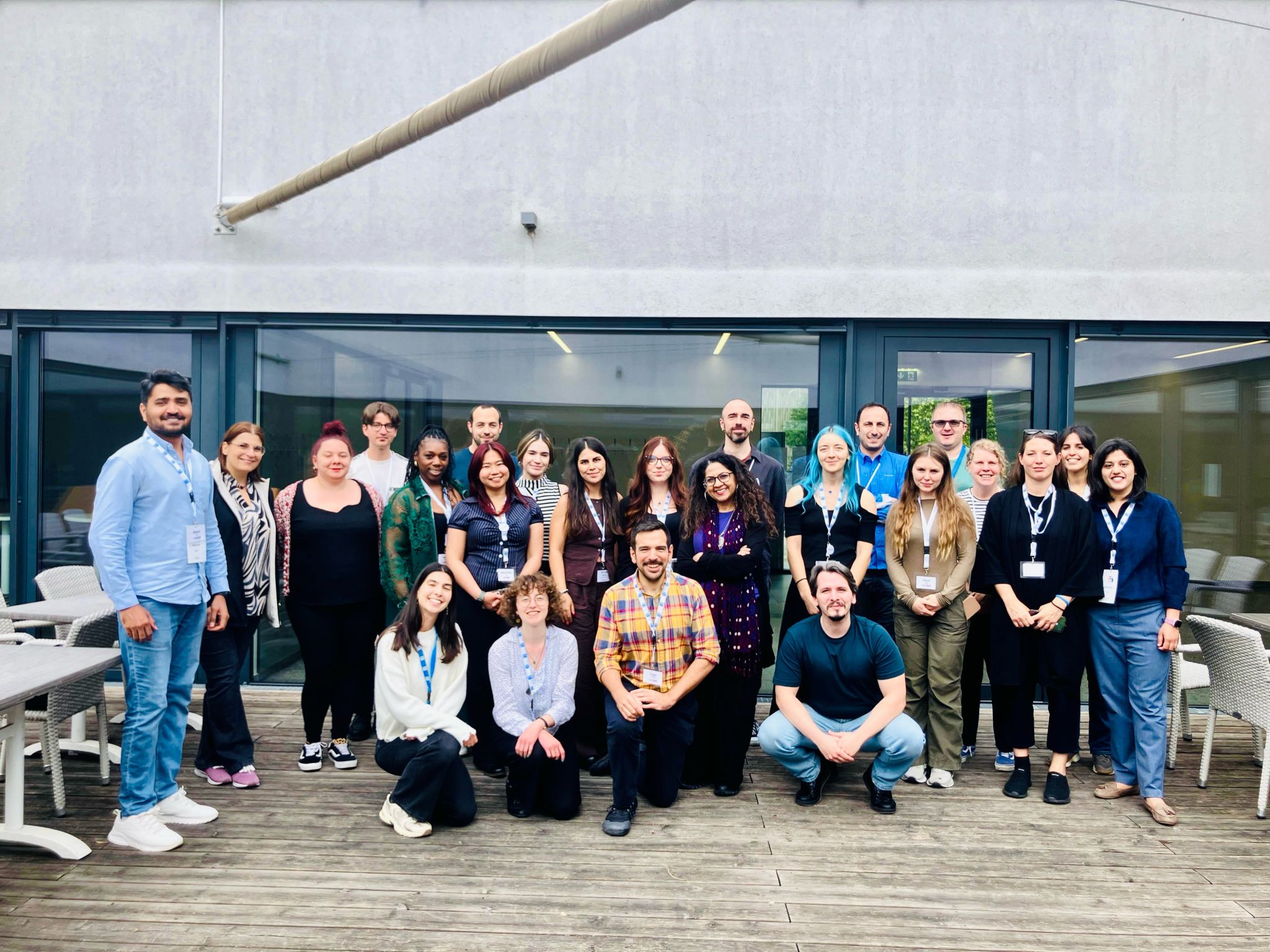
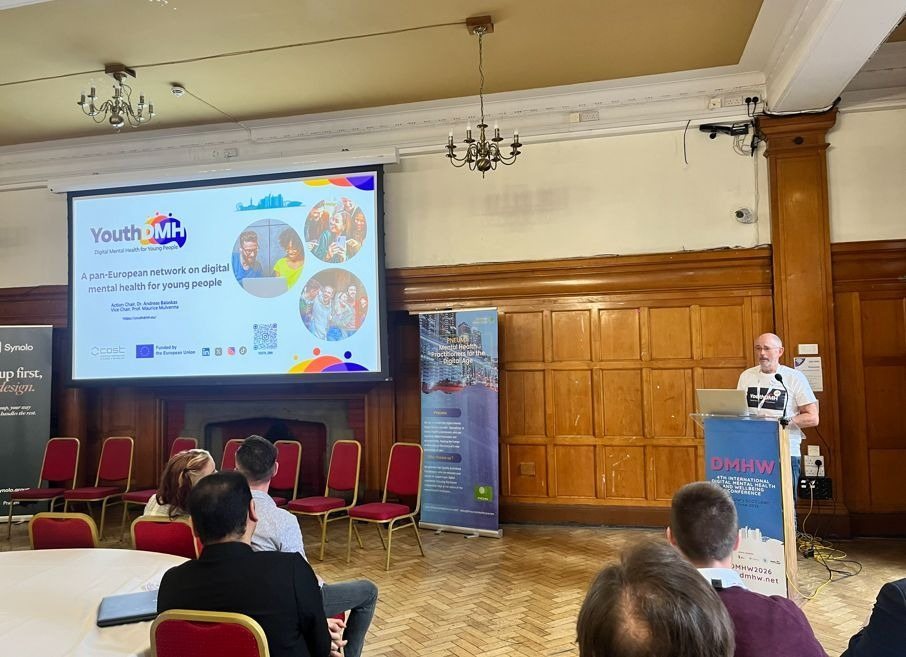
How can digital technologies better respond to young people’s mental health needs? This was the central question explored during the YouthDMH hackathon, held on 8 June 2026 at the University of Vienna.
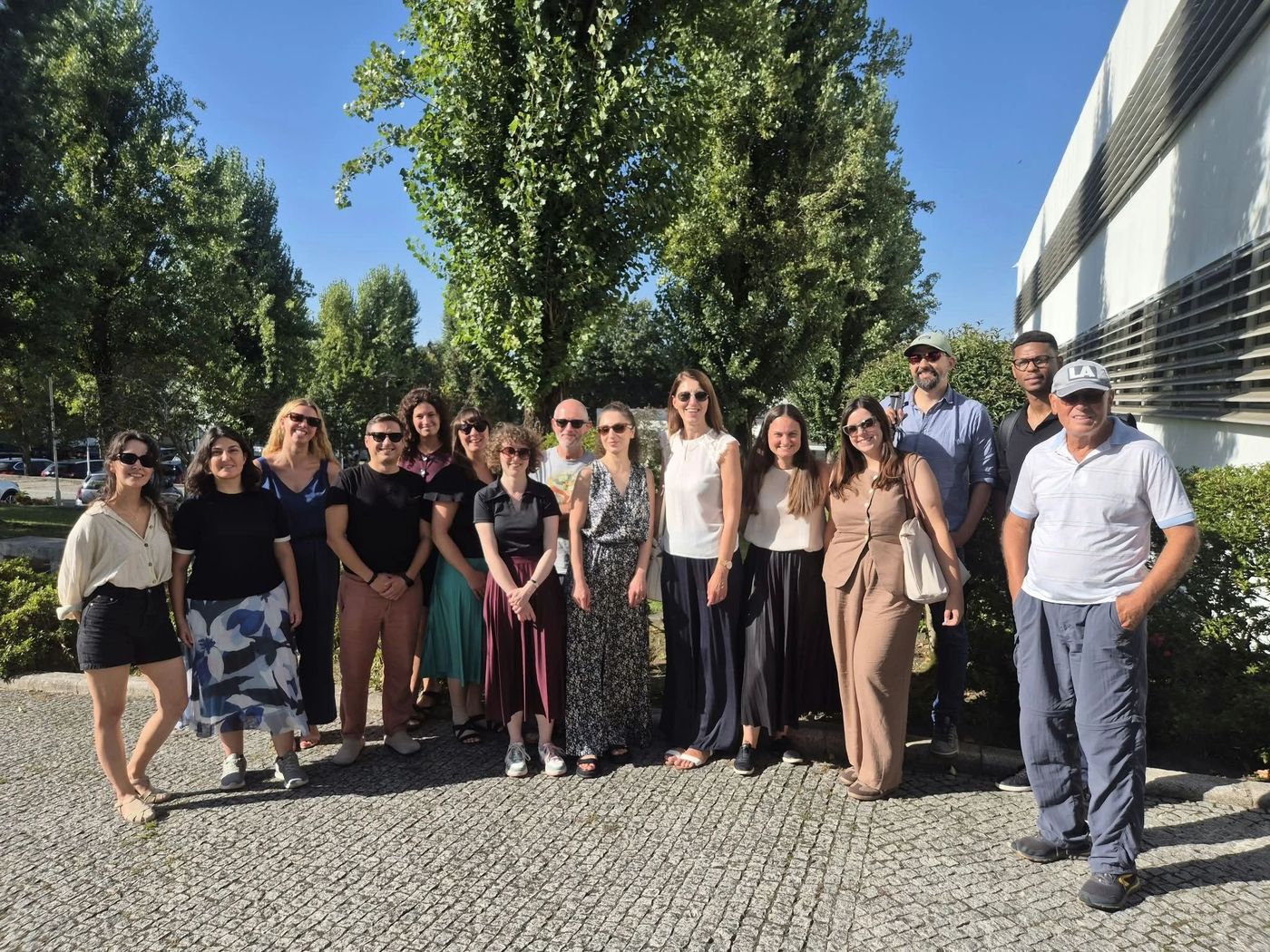
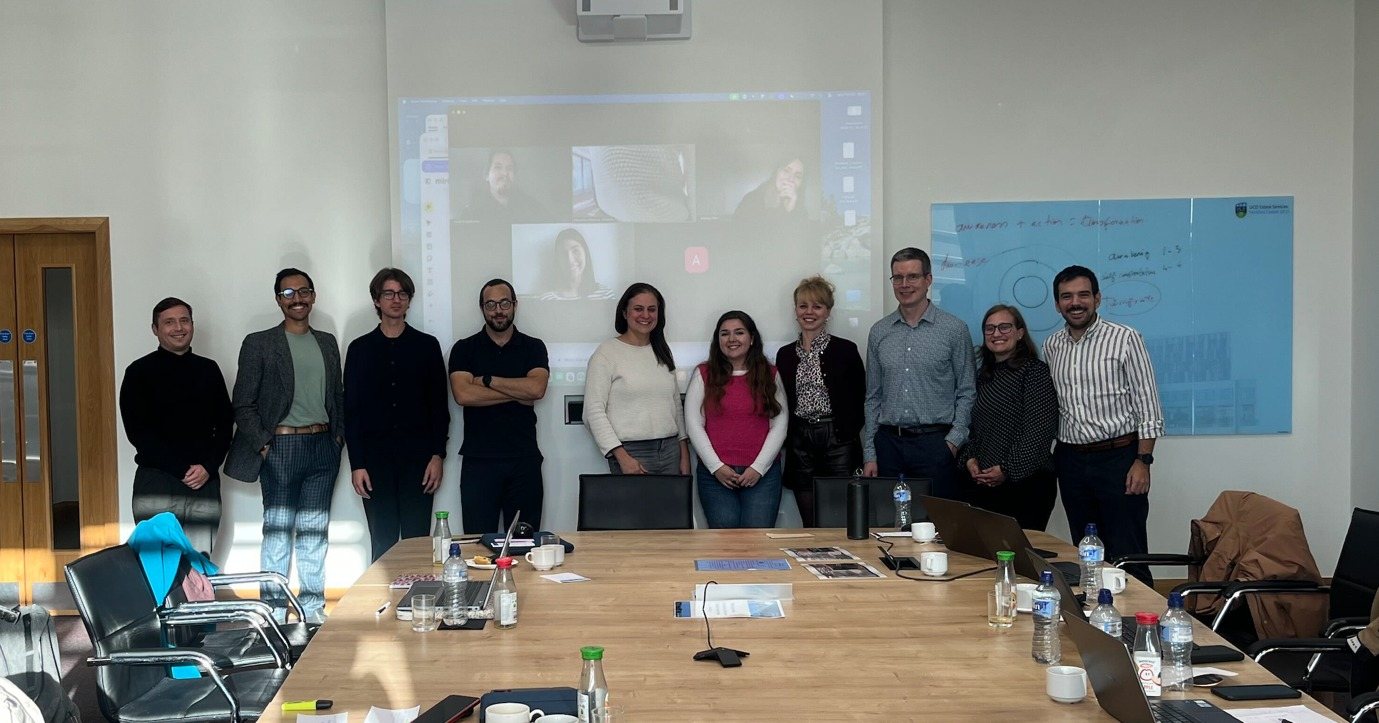
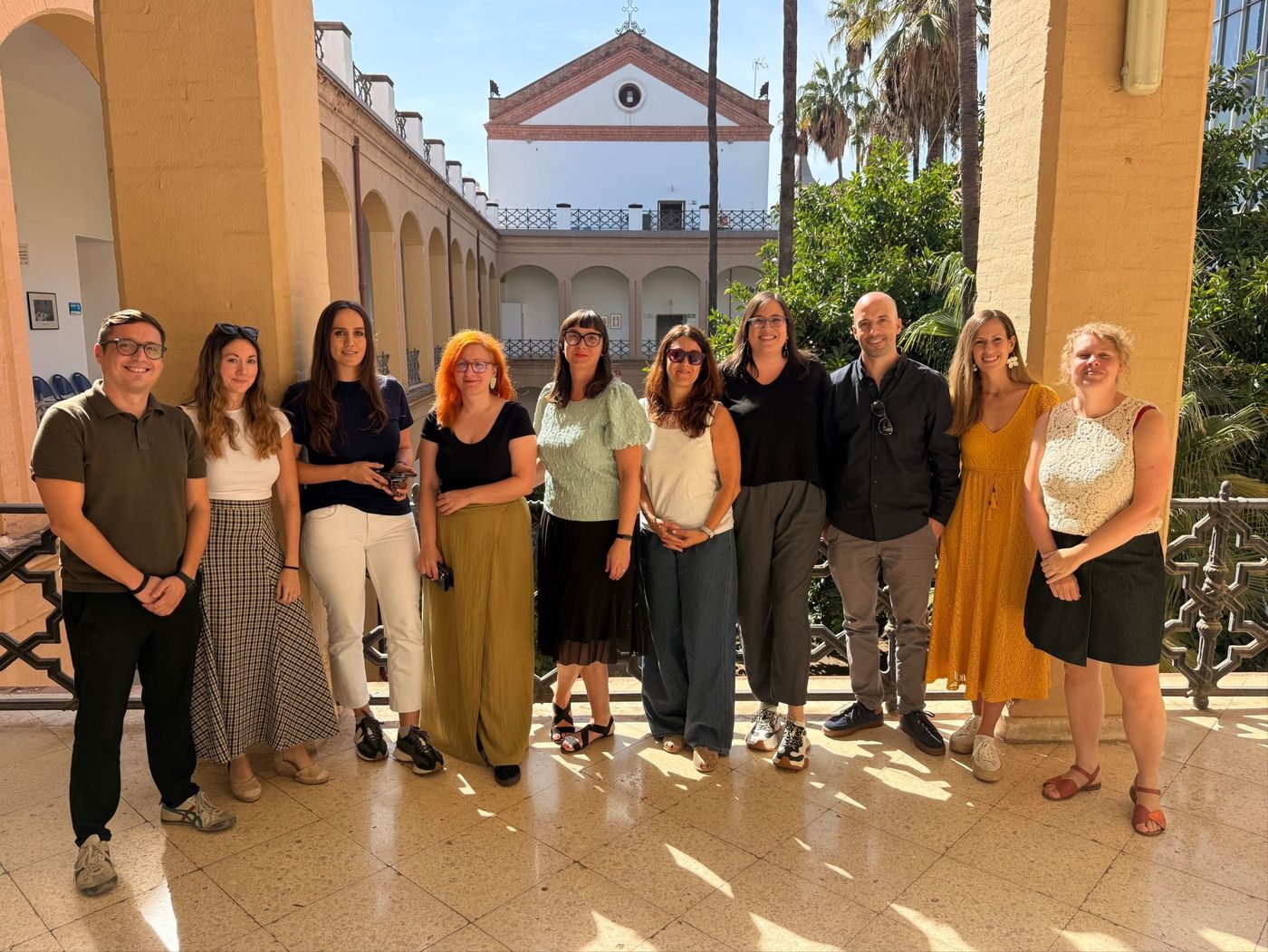
The event brought together students from the University of Vienna and members of the YouthDMH COST Action for an interactive workshop focused on imagining and designing future digital technologies to support young people’s mental health and wellbeing.
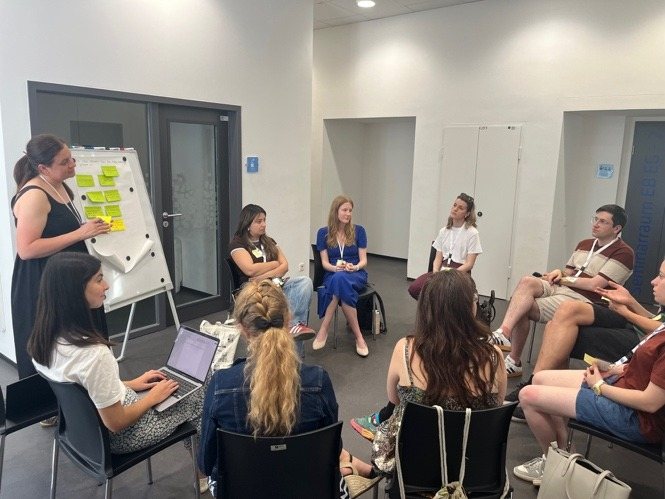
Through a two-hour workshop and design challenge, participants worked in teams to explore potential solutions in two key areas: mental health help-seeking and contextual assessment. They identified needs and challenges, exchanged perspectives and developed ideas for digital tools that could better respond to young people’s experiences and circumstances.
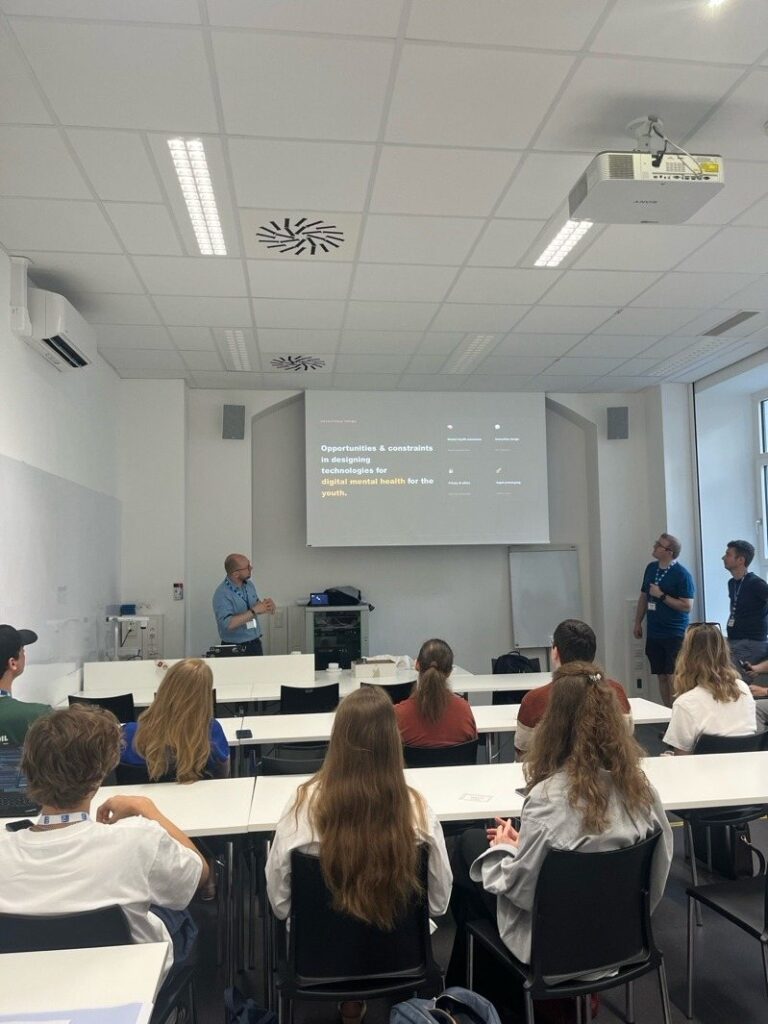
The programme combined introductory presentations, facilitated discussions and dedicated team working sessions, guiding participants from identifying challenges to developing and refining their proposed solutions.
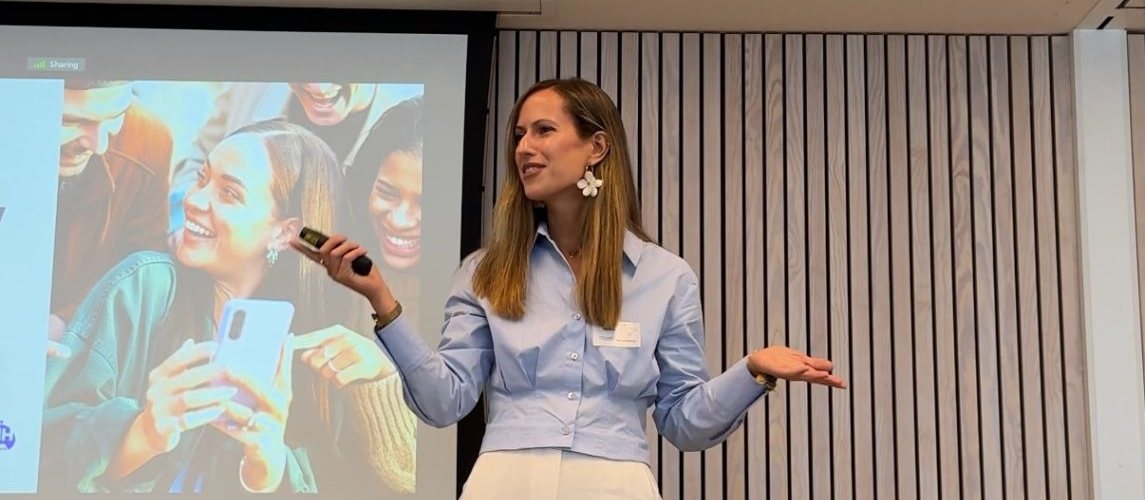
A highlight of the hackathon was the team presentations, during which participants presented their ideas to a jury. This provided an opportunity to showcase their creativity, exchange feedback and consider how emerging technologies could address the mental health needs of young people.
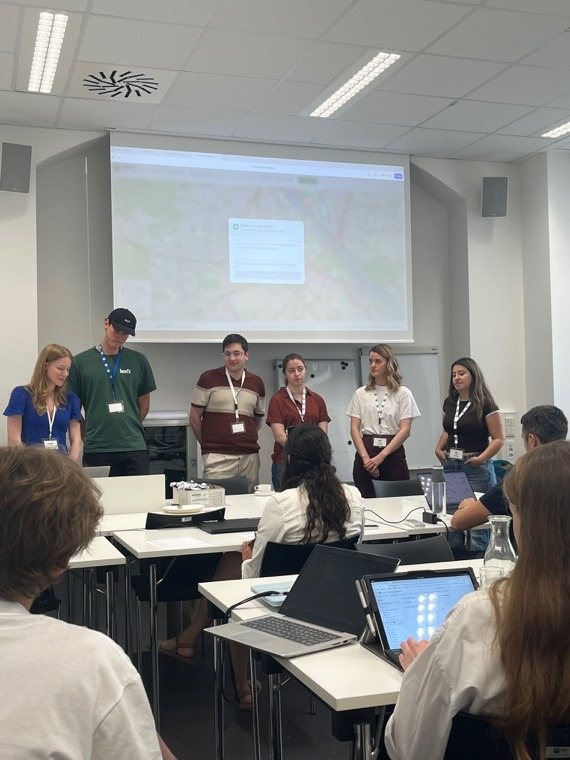
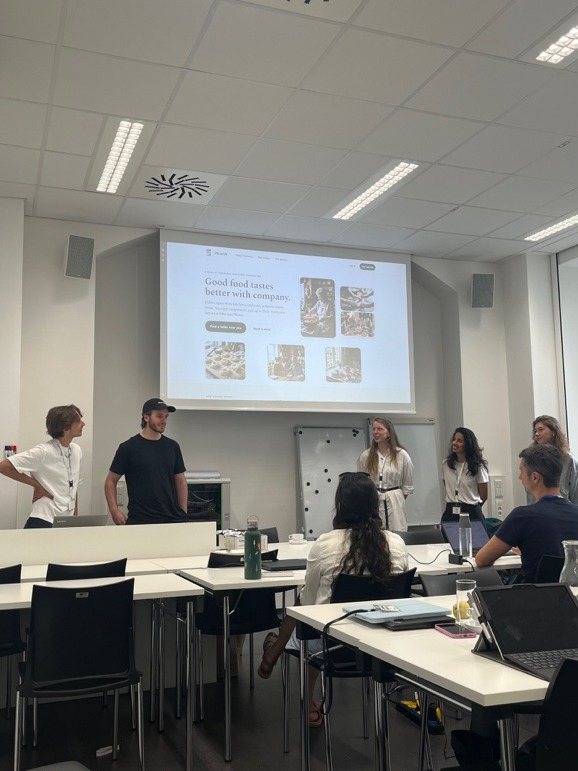
The event concluded with the judging, awards and closing session, celebrating the teams’ contributions, creativity and collaborative spirit.
Bringing different perspectives together to shape the future
Activities like this are central to the YouthDMH COST Action’s mission. Bringing together students and members of the wider research community creates opportunities to exchange perspectives, explore innovative approaches and contribute to the development of digital mental health technologies that are responsive to young people’s needs, experiences and contexts.
We would like to extend our sincere thanks to Paweł Woźniak and the University of Vienna for hosting and supporting the event, as well as to all participants and teams who contributed their time, creativity and ideas.
We look forward to building on the insights generated during the hackathon and continuing to explore how collaborative and participatory approaches can help shape the future of digital mental health for young people.